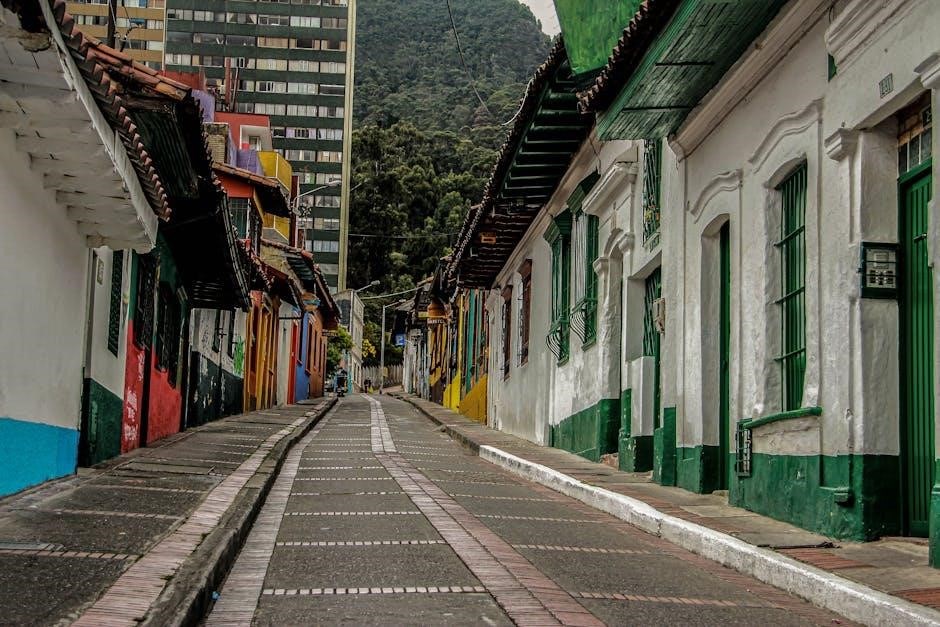
Overview of “La Casa en Mango Street”
“La Casa en Mango Street”, available as a Spanish edition PDF, chronicles Esperanza Cordero’s coming-of-age, beautifully translated by Fernanda Melchor for modern readers.
Publication Details and Editions
“La Casa en Mango Street” was originally published in English in 1984 by Arte Público Press. Subsequent editions have been released by Vintage Contemporaries, broadening its accessibility. The Spanish translation, “La Casa en Mango Street / La Casa en Mango Street” (ISBN: 9781644734285), was published by Vintage Español in 2023, expertly translated by Fernanda Melchor.
PDF versions of both the English and Spanish editions circulate online, though sourcing legitimate copies is crucial (see section on PDF downloads). Different editions may feature varying introductions or supplemental materials, but the core narrative remains consistent. The Spanish edition offers a fresh perspective, capturing the nuances of Cisneros’ prose for Spanish-speaking audiences.
Original Spanish Publication Information
While initially penned in English, “La Casa en Mango Street” gained significant traction with its Spanish translation. The most recent and critically acclaimed Spanish edition, “La Casa en Mango Street / The House on Mango Street”, was released in 2023 by Vintage Español. This edition is notable for being translated by Fernanda Melchor, a celebrated contemporary Mexican author.
Prior Spanish translations existed, but Melchor’s version is lauded for its fidelity to Cisneros’ lyrical style and cultural context. Finding a PDF of this specific translation is popular, offering wider access to the story. The ISBN is 9781644734285, aiding in identifying the correct edition.
English Translation and its Impact
Sandra Cisneros originally wrote “The House on Mango Street” in English, published in 1984. Its impact was immediate, becoming a staple in American classrooms and lauded for its poetic prose and relatable themes. However, the Spanish translation, particularly Fernanda Melchor’s recent rendition, broadened its reach significantly;
The availability of a Spanish PDF version has further amplified accessibility, especially for Spanish-speaking students and readers. This allows a deeper connection to the narrative’s cultural roots; The translation isn’t merely linguistic; it’s a cultural bridge, resonating with audiences who experience the story through a familiar linguistic lens.
The Author: Sandra Cisneros
Sandra Cisneros, author of the impactful “The House on Mango Street,” skillfully portrays Latina experiences, with Spanish editions like the PDF expanding readership.
Cisneros’ Background and Influences
Sandra Cisneros’ upbringing significantly shaped her writing. Growing up as the daughter of Mexican immigrants, she experienced frequent moves and a sense of displacement, themes powerfully reflected in “The House on Mango Street.” Her childhood, navigating both American and Mexican cultures, fueled her exploration of identity, particularly for Latina women.
This background informs the novel’s vignettes, capturing the nuances of a Chicago Latino neighborhood. The availability of the book in Spanish, including PDF versions, demonstrates a commitment to reaching a wider audience and honoring her heritage. Cisneros’ work is also influenced by literary traditions of storytelling and poetry, contributing to the lyrical quality found throughout the narrative.
Themes in Cisneros’ Work
Sandra Cisneros’ writing consistently explores themes of identity, particularly the challenges faced by Chicana women navigating cultural expectations and societal limitations. “The House on Mango Street,” readily available as a Spanish-language PDF, powerfully portrays these struggles. Poverty and social class are central, revealing the impact of economic hardship on individuals and communities.
The search for a home – both a physical space and a sense of belonging – resonates throughout her work. Gender roles and expectations are critically examined, highlighting the constraints placed upon women. The Spanish PDF edition allows broader access to these vital themes, fostering cross-cultural understanding and appreciation.

Plot Summary of “La Casa en Mango Street”
“La Casa en Mango Street,” accessible as a Spanish PDF, follows young Esperanza’s year navigating poverty, identity, and her Chicago neighborhood’s vibrant life.
Esperanza’s Family and Mango Street
Esperanza’s family’s move to Mango Street, detailed in the Spanish PDF version of “La Casa en Mango Street,” isn’t the idyllic upgrade they hoped for. The house, while technically their own, falls short of her parents’ dreams, prompting feelings of disappointment and displacement in young Esperanza.
Her family – Mama, Papa, Carlos, Kiki, and sister Nenny – share the small home, navigating the challenges of a new neighborhood and limited resources. The narrative, even in Spanish translation, emphasizes the communal aspect of their lives, yet also highlights Esperanza’s yearning for a space truly her own. Mango Street itself becomes a character, representing both confinement and a source of cultural identity.
Key Vignettes and Their Significance
“La Casa en Mango Street,” even in its Spanish PDF format, powerfully utilizes vignettes to explore Esperanza’s world. Vignettes like “My Name” establish her struggle with identity and heritage, while “Hairs” reveals intimate family details and cultural pride. “The House on Mango Street” itself embodies unfulfilled dreams.
“Boys & Girls” and others tackle gender roles and budding sexuality. These short, impactful scenes, beautifully rendered in Fernanda Melchor’s translation, collectively build a portrait of Esperanza’s growth. Each vignette, accessible within the PDF, contributes to the novel’s overarching themes of self-discovery and the search for belonging.
Characters in “La Casa en Mango Street”
“La Casa en Mango Street,” including the Spanish PDF version, features Esperanza Cordero and a vibrant community, brought to life through Melchor’s translation.
Esperanza Cordero: A Detailed Analysis
Esperanza Cordero, the protagonist, embodies resilience and a yearning for self-definition, powerfully conveyed even within the Spanish PDF translation of “La Casa en Mango Street.” She navigates poverty, societal expectations, and the complexities of her identity as a young Latina girl in Chicago.
Her journey, beautifully rendered by Fernanda Melchor’s translation, centers on her desire to escape Mango Street, not physically abandoning her community, but achieving independence and finding her voice as a writer. Esperanza’s observations, presented in vignette form, reveal a keen awareness of the limitations imposed on women and the struggles faced by those around her. The Spanish edition allows readers to experience her story with nuanced linguistic depth.
Supporting Characters and Their Roles
The vibrant cast surrounding Esperanza Cordero in “La Casa en Mango Street,” even within the Spanish PDF version translated by Fernanda Melchor, profoundly shapes her development. Characters like Marin, Sally, and Alicia represent different paths and challenges faced by women in their community.
Marin dreams of a romantic escape, while Sally endures abusive relationships, and Alicia fights for education amidst familial obligations. These women, vividly portrayed, serve as both cautionary tales and sources of inspiration for Esperanza. The Spanish translation preserves the cultural context and nuances of their struggles, enriching the reader’s understanding of their roles in Esperanza’s journey toward self-discovery.
Themes Explored in the Novel
“La Casa en Mango Street,” including the Spanish PDF, delves into identity, poverty, gender roles, and the longing for belonging—universal themes powerfully conveyed.
Identity and Self-Discovery
“La Casa en Mango Street,” even in its Spanish PDF form, profoundly explores Esperanza’s journey of self-discovery amidst cultural expectations and societal constraints. She grapples with her name, her neighborhood, and her emerging womanhood, seeking to define herself beyond the limitations imposed upon her.
The novel showcases Esperanza’s evolving understanding of her identity as a Latina girl in Chicago, navigating the complexities of language, heritage, and belonging. Through vignettes, she rejects prescribed roles and embraces her voice, ultimately finding strength in her storytelling and a commitment to returning to Mango Street to help others.
Poverty and Social Class
“La Casa en Mango Street,” readily accessible as a Spanish PDF, vividly portrays the realities of poverty and its impact on the residents of Mango Street. Esperanza’s family’s constant moves and their modest housing reflect their economic struggles, highlighting the limitations imposed by their social class.
The novel doesn’t shy away from depicting the disparities between those who have and those who have not, showcasing the dreams deferred and the resilience required to survive in challenging circumstances. Esperanza observes how poverty shapes the lives of her neighbors, influencing their opportunities and their sense of self-worth, fostering a desire for a better future.
Gender Roles and Expectations
“La Casa en Mango Street,” available in Spanish as a PDF, powerfully examines the restrictive gender roles and expectations placed upon women within Esperanza’s community. The novel depicts women often confined to domesticity, facing societal pressures to marry young and bear children, limiting their personal and professional aspirations.
Esperanza witnesses the consequences of these expectations through the experiences of women around her, inspiring her to forge her own path. She rejects the traditional roles assigned to her, choosing instead to pursue education and self-discovery, ultimately seeking independence and a voice of her own.
The Search for a Home
“La Casa en Mango Street,” readily accessible as a Spanish-language PDF, centers on Esperanza’s poignant search for a true home – a place representing not just shelter, but also identity and belonging. The frequent moves of her family highlight the instability and lack of permanence in her early life, fueling her desire for a space she can truly call her own.
However, Esperanza gradually realizes that “home” isn’t necessarily a physical location. It’s a feeling of self-possession and community, a place within herself she can carry wherever she goes, even as she dreams of a future house built on her own terms.
Literary Style and Techniques
“La Casa en Mango Street” employs a unique vignette structure, rich imagery, and code-switching, even within the Spanish PDF translation, enhancing its emotional impact.
Vignette Structure and its Effect
“La Casa en Mango Street” uniquely utilizes a vignette structure – short, poetic chapters – rather than a traditional narrative arc. This fragmented approach mirrors Esperanza’s developing consciousness and fragmented experiences growing up. Each vignette functions as a snapshot, a memory, or an observation, collectively building a powerful portrait of her life on Mango Street.
Even in the Spanish PDF version, translated by Fernanda Melchor, this structure remains central. The brevity of each section allows for intense focus on specific moments and emotions, creating a cumulative effect that is both poignant and impactful. This style emphasizes feeling and impression over plot, drawing the reader directly into Esperanza’s internal world and the vibrant community surrounding her.
Use of Imagery and Symbolism
“La Casa en Mango Street” is richly layered with imagery and symbolism, powerfully conveyed even within the Spanish PDF translation by Fernanda Melchor. Houses themselves are central symbols, representing not just shelter, but also identity, belonging, and the constraints placed upon women. Mango Street, specifically, embodies a cycle of poverty and limited opportunity.
Recurring motifs like shoes and hair function as symbols of Esperanza’s evolving self-awareness and her desire for independence. The vibrant descriptions of the neighborhood, even in Spanish, evoke a strong sense of place and cultural identity. Cisneros’ poetic language creates a deeply sensory experience, enhancing the emotional resonance of the story for all readers.
The Role of Language and Code-Switching
“La Casa en Mango Street” masterfully employs language, showcasing the fluidity of identity within a bilingual community, a nuance preserved in the Spanish PDF translation. Cisneros seamlessly blends English and Spanish, reflecting the code-switching common in Chicano/a households and neighborhoods. This linguistic interplay isn’t merely stylistic; it’s integral to character development and cultural authenticity.
The Spanish phrases aren’t always directly translated, immersing the reader in Esperanza’s world and highlighting the power dynamics at play. Even when reading the Spanish edition, the echoes of English reveal the characters’ complex relationship with both languages and cultures, enriching the narrative’s depth.
“La Casa en Mango Street” in Spanish: Translation and Reception
Fernanda Melchor’s recent Spanish translation of the PDF version revitalizes “La Casa en Mango Street,” garnering praise and reaching new Spanish-speaking audiences.
Fernanda Melchor’s Translation
Fernanda Melchor, a celebrated Mexican author herself, undertook the significant task of re-translating Sandra Cisneros’ iconic work into Spanish. This new translation, readily available in PDF format through various booksellers like Amazon, aims to capture the nuances and poetic rhythm of the original while resonating with contemporary Spanish-language readers. Melchor’s approach isn’t simply a word-for-word conversion; she skillfully adapts the language, preserving Esperanza’s voice and the cultural context of Mango Street.
Her translation is lauded for its authenticity and sensitivity, offering a fresh perspective on a beloved classic. The PDF accessibility allows wider distribution and study of this important literary piece within Spanish-speaking communities and academic settings.
Differences Between Spanish and English Versions
While both the English and Spanish versions of “La Casa en Mango Street” convey the same core narrative, subtle yet significant differences exist, particularly noticeable when comparing the PDF versions. Fernanda Melchor’s translation isn’t a literal rendering; she prioritizes capturing the feeling and cultural specificity of the story. This results in shifts in phrasing and word choice, reflecting idiomatic expressions unique to Spanish.
Some vignettes gain new layers of meaning through Melchor’s interpretation, while others resonate differently due to the inherent qualities of each language. Readers familiar with both versions will appreciate these nuanced variations, enriching their understanding of Esperanza’s journey.
Finding “La Casa en Mango Street” in PDF Format
“La Casa en Mango Street” Spanish PDF versions are available through legitimate online booksellers like Amazon, and potentially library OverDrive services.
Legitimate Sources for PDF Downloads
Finding a legal PDF of “La Casa en Mango Street” in Spanish requires careful sourcing. Amazon.com offers the Spanish edition (ISBN 9781644734285) for purchase, which may include a digital download option. King County Library System’s OverDrive platform provides access to the Spanish version for library cardholders, enabling legitimate PDF borrowing.
Avoid unofficial websites offering free downloads, as these often violate copyright laws and may contain malware. Prioritize established booksellers and library resources to ensure a safe and legal reading experience. Supporting authors and publishers through authorized channels is crucial for continued literary creation and accessibility.
Copyright Considerations and Legal Access
“La Casa en Mango Street” is protected by copyright, meaning unauthorized PDF distribution is illegal. Accessing the Spanish edition requires purchasing it from legitimate sources like Amazon or borrowing it through library platforms such as OverDrive. Downloading from unofficial websites constitutes copyright infringement and risks exposure to malicious software.
Respecting copyright ensures Sandra Cisneros and Fernanda Melchor (the translator) receive due compensation for their work. Legal access supports the publishing industry and encourages continued literary contributions. Always verify the source’s legitimacy before downloading any digital book to avoid legal repercussions and protect your device.
Critical Reception and Awards
“La Casa en Mango Street”, including the Spanish translation, has garnered widespread critical acclaim and numerous awards for its poignant storytelling and cultural impact.
Awards Received by the Novel
“La Casa en Mango Street” has been celebrated with a multitude of prestigious awards recognizing its literary merit and cultural significance. These include the American Book Award in 1985, solidifying its place as a vital work of American literature. It also received the PEN Center USA West Award for Best Fiction.
Furthermore, the novel was honored with a Local Government Award and a selection as a Common Read for numerous institutions, demonstrating its enduring appeal and educational value. The Spanish translation, facilitated by Fernanda Melchor, has also garnered attention and praise, expanding the novel’s reach and impact within the Spanish-speaking world, though specific awards for the translation alone are less documented.
Academic Analysis and Scholarly Articles
“La Casa en Mango Street” has spurred extensive academic discourse, analyzed through lenses of Chicana/o literature, feminism, and urban studies. Scholarly articles frequently explore themes of identity formation, particularly Esperanza’s negotiation of cultural expectations and societal constraints.
Researchers examine Cisneros’ innovative vignette structure and lyrical prose, noting its impact on representing marginalized voices. The Spanish translation by Fernanda Melchor is also a subject of study, with analyses comparing linguistic nuances and cultural interpretations between the English and Spanish versions. Databases like JSTOR and Project MUSE host numerous critical essays dissecting the novel’s complexities and enduring relevance.
Educational Use of “La Casa en Mango Street”
“La Casa en Mango Street”, including the Spanish PDF edition, aligns with Common Core standards, fostering discussions on culture, identity, and language development.
Common Core Standards Alignment
“La Casa en Mango Street”, even in its Spanish PDF format, readily supports numerous Common Core State Standards across multiple grade levels, particularly in English Language Arts. The vignette structure lends itself to analyzing narrative craft (CCSS.ELA-LITERACY.RL.9-10.5), while Esperanza’s voice facilitates explorations of point of view (CCSS.ELA-LITERACY.RL.7.6).
Themes of identity and social justice promote critical thinking and argumentative writing (CCSS.ELA-LITERACY.W.11-12.1). The text’s rich imagery and symbolism encourage close reading and textual analysis (CCSS.ELA-LITERACY.RL.11-12.4). Utilizing the Spanish translation allows for comparative analysis of language and cultural nuances, enhancing students’ linguistic awareness and intercultural understanding.
Classroom Activities and Discussion Topics
Engaging with “La Casa en Mango Street”, even through a Spanish PDF version, offers diverse classroom possibilities. Students can create visual representations of Mango Street, analyze Esperanza’s evolving self-portrait, or write their own vignettes inspired by Cisneros’ style.
Discussion topics could center on the challenges of poverty, the complexities of gender roles, and the search for belonging. Comparing the English and Spanish texts (if accessible) fosters linguistic awareness. Role-playing key scenes or debating ethical dilemmas presented in the novel encourages critical thinking and empathy. Creative writing prompts, focusing on “home” and identity, further deepen engagement.