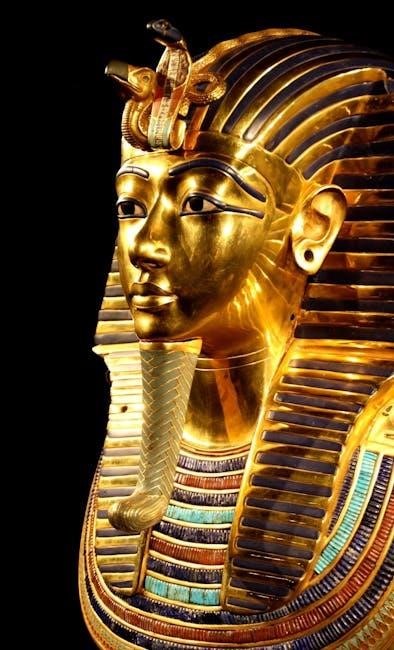
The 7th edition of Art: A Brief History by Marilyn Stokstad and Michael Cothren offers a comprehensive exploration of global art movements, blending historical context with contemporary insights.
1.1 Overview of the 7th Edition
The 7th edition of Art: A Brief History by Marilyn Stokstad and Michael W. Cothren provides a comprehensive exploration of global art movements, from prehistoric times to the present. This edition incorporates recent discoveries, updated methodologies, and fresh interpretive perspectives, ensuring a modern and inclusive understanding of art history. It covers diverse cultural contexts, significant artistic styles, and the interplay between society and creative expression. The book is renowned for its accessible tone and thorough coverage, making it a cornerstone for both students and enthusiasts of art history. Its updated content and global focus ensure relevance in contemporary academic and cultural discussions.
1.2 Importance of the 7th Edition in Art Historical Scholarship
The 7th edition of Art: A Brief History holds significant importance in art historical scholarship due to its updated content and inclusive global perspective. It integrates recent discoveries and reinterpretations, reflecting evolving understandings of art history. The edition’s emphasis on cultural and social contexts bridges gaps between past and present, making it a vital resource for scholars and students. Its comprehensive coverage and accessible tone ensure its relevance in academic curricula, fostering a deeper understanding of art’s role in society. This edition underscores the dynamic nature of art history, aligning with contemporary academic and cultural priorities.
Key Features of the 7th Edition
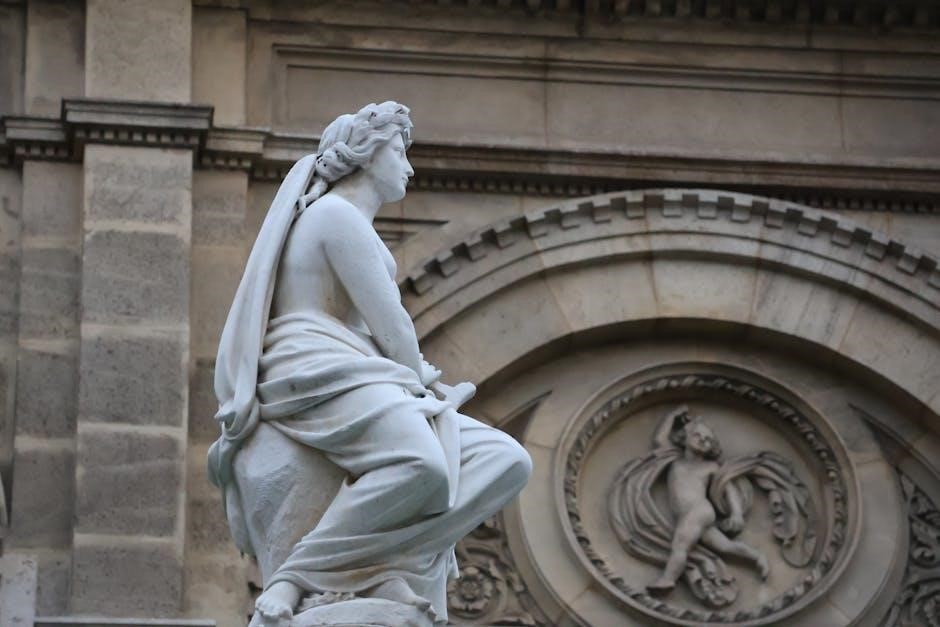
The 7th edition offers comprehensive coverage of art movements, updated methodologies, and a global context, making it a valuable resource for both students and scholars. Its accessible format and high academic standards ensure its widespread use in art education.
2.1 Incorporation of Recent Discoveries and Interpretations
The 7th edition of Art: A Brief History integrates recent discoveries and revised interpretations, ensuring a fresh and accurate understanding of art history. New research and archaeological findings are seamlessly incorporated, offering insights into previously underexplored periods and cultures. The text also reflects evolving scholarly perspectives, addressing diverse artistic traditions and their global interconnections. This updated approach makes the book a dynamic resource for students and scholars, providing a comprehensive and contemporary view of art’s development across time and regions. The inclusion of new interpretations enhances the book’s relevance and depth, making it a valuable tool for art historical studies.
2.2 Updated Methodologies in Art Historical Research
The 7th edition of Art: A Brief History employs updated methodologies in art historical research, reflecting current academic trends and technological advancements. Digital tools and interdisciplinary approaches enhance the analysis of artworks, providing deeper insights into their creation and context. The book incorporates feminist, postcolonial, and global perspectives, offering a more inclusive understanding of art history. These methodologies ensure that the narrative remains relevant and engaging, catering to modern scholars and students. By integrating innovative research practices, the edition sets a new standard for art historical scholarship, making it a vital resource for comprehensive study.
2.3 Global Context and Contemporary Relevance
The 7th edition of Art: A Brief History emphasizes a global context, exploring art from diverse cultures and periods. It highlights the interconnectedness of artistic traditions, offering a broader understanding of cultural exchange. The book addresses contemporary relevance by linking historical art to modern issues, such as identity, globalization, and technology. This approach makes the study of art history more engaging and relatable for today’s audience. By integrating global perspectives, the edition fosters a deeper appreciation of art’s role in shaping societies and its continued impact on contemporary culture.
Authors and Contributors
Marilyn Stokstad and Michael W. Cothren are the primary authors of Art: A Brief History 7th Edition. Their expertise in art history ensures a comprehensive and insightful narrative, blending scholarly rigor with accessible storytelling to engage readers worldwide.
3.1 Marilyn Stokstad’s Contribution
Marilyn Stokstad, a renowned art historian, is the primary author of Art: A Brief History 7th Edition. Her work spans decades, and this edition reflects her dedication to presenting art history in an accessible yet scholarly manner. Stokstad’s contribution includes a meticulous review of global art movements, ensuring the text remains relevant and inclusive. She integrates recent discoveries and interpretations, offering readers a fresh perspective on historical and contemporary art. Her approach emphasizes cultural and social contexts, making the book a valuable resource for both students and enthusiasts. Stokstad’s expertise has shaped the narrative, providing a comprehensive understanding of art’s evolution.
3.2 Michael W. Cothren’s Role in the 7th Edition
Michael W. Cothren, a distinguished art historian, collaborated with Marilyn Stokstad in the 7th Edition of Art: A Brief History. His expertise in medieval and Renaissance art significantly enriched the text. Cothren’s contributions include updating methodologies and ensuring global art movements are contextualized. He emphasized the integration of recent research and discoveries, making the narrative more inclusive. Cothren’s focus on clarity and engagement has enhanced the book’s accessibility, particularly for students. His work ensures the 7th Edition remains a cornerstone in art historical education, blending tradition with contemporary perspectives to foster a deeper understanding of art’s global significance.
Availability and Access
The 7th Edition of Art: A Brief History is widely available in digital and paperback formats. Free PDF downloads can be accessed through platforms like Scribd, Amazon, and educational forums, offering instant access to the comprehensive text for academic use.
4.1 How to Download the 7th Edition PDF for Free
To download the 7th Edition of Art: A Brief History for free, visit platforms like Scribd, Google Drive, or educational forums. Search for “Art: A Brief History 7th Edition PDF” and select reliable sources. Ensure the file is complete and verified to avoid incomplete downloads. Some websites may require registration or subscription for access. Always verify the edition and publication details before downloading to ensure accuracy. Be cautious of unauthorized sources to avoid legal issues. This method provides instant access to the textbook for academic purposes.
4.2 Platforms Offering Free Access to the Book
Several platforms offer free access to Art: A Brief History 7th Edition. Websites like Scribd, Google Drive, and educational forums provide downloadable PDF versions. Additionally, platforms such as Internet Archive and Anna’s Archive host the book for free access. Users can search these sites using keywords like “Art: A Brief History 7th Edition PDF” to find reliable sources. Some platforms may require registration or subscription for download. Always verify the authenticity and completeness of the file before accessing to ensure it meets academic needs. These platforms make the textbook accessible for students and researchers worldwide.
Content and Structure
Art: A Brief History 7th Edition provides a comprehensive overview of art movements from prehistoric to modern times, organized by historical periods and cultural contexts.
5.1 Comprehensive Coverage of Art Movements
Art: A Brief History 7th Edition offers an extensive exploration of art movements, from prehistoric to contemporary, including ancient, medieval, and modern styles. It delves into the evolution of art, highlighting key periods like Renaissance, Baroque, and Modernism. The text also explores non-Western art, providing a global perspective. Each movement is contextualized with its cultural and social influences, offering readers a deeper understanding. The book includes recent discoveries and updated interpretations, ensuring a fresh and inclusive narrative. This comprehensive approach makes it an invaluable resource for students and art enthusiasts seeking a holistic view of art history.
5.2 Organization by Historical Periods
Art: A Brief History 7th Edition is meticulously organized by historical periods, tracing art from prehistoric times to the present. Each chapter focuses on a specific era, such as ancient, medieval, Renaissance, and modern periods, ensuring a logical flow. This structure allows readers to understand the evolution of art within its historical context. The book seamlessly connects past and present, highlighting how earlier movements influence contemporary art. By organizing content chronologically, the authors provide clarity and depth, making it easier for readers to appreciate the progression of artistic styles and their cultural significance over time.
5.3 Inclusion of Cultural and Social Contexts
Art: A Brief History 7th Edition excels in integrating cultural and social contexts, providing readers with a deeper understanding of how historical events and societal norms shaped artistic expression. The book explores the interplay between art and culture, revealing how diverse traditions and social dynamics influenced the creation of iconic works. By examining the cultural and social milieus of each period, the authors offer insights into the motivations and inspirations behind various art movements. This approach enriches the narrative, making art history more accessible and engaging for readers seeking a holistic understanding of creativity and its global impact.
Educational Resources and Supplements
The 7th Edition offers extensive educational resources, including study guides and test banks, to enhance learning and teaching experiences, ensuring a comprehensive understanding of art history.
6.1 Study Guides and Test Banks

The 7th Edition of Art: A Brief History provides comprehensive study guides and test banks to support academic success. These resources are designed to enhance understanding and retention of key concepts. The study guides include detailed summaries, critical thinking exercises, and review questions, while the test banks offer a wide range of multiple-choice questions and essay prompts. Both tools are available for instant download, making them accessible for students and instructors alike. Additionally, the test banks are often unlocked, allowing unrestricted access to assessment materials. These supplements are invaluable for preparing for exams and reinforcing the book’s content effectively.
6.2 Online Resources for Enhanced Learning
The 7th Edition of Art: A Brief History is supported by a variety of online resources designed to enhance learning. These include interactive content, multimedia presentations, and digital tools that complement the textbook. Platforms like Pearson and Amazon offer access to eTextbooks, while websites like Scribd and Internet Archive provide downloadable versions of the book. Additionally, online forums and educational websites host study materials, test banks, and discussion groups. These resources cater to both students and instructors, offering flexible and engaging ways to explore art history. They ensure a dynamic and comprehensive learning experience, making the 7th Edition a valuable academic tool.
Reviews and Ratings
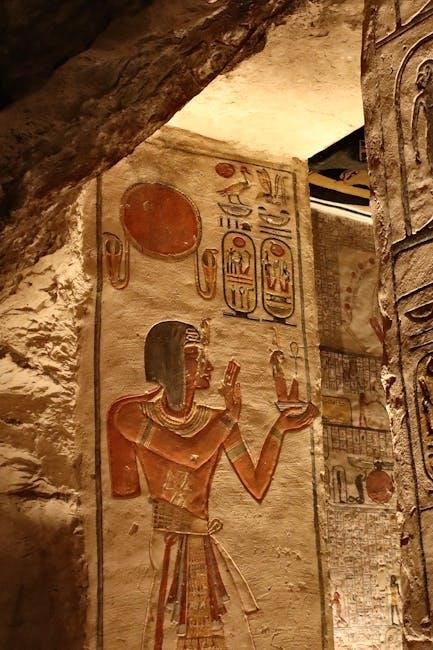
The 7th Edition of Art: A Brief History has received a 4.8 out of 5.0 rating based on 3035 reviews, highlighting its popularity and academic excellence among students and scholars.
7.1 Reader Feedback and Ratings
Readers have praised the 7th Edition of Art: A Brief History for its comprehensive coverage and engaging narrative. With a 4.8 out of 5.0 rating from 3035 reviews, it is widely acclaimed for its clarity and depth. Many appreciate the inclusion of recent discoveries and updated interpretations, which enhance the understanding of art history. The book’s ability to connect art with cultural and social contexts resonates well with both students and enthusiasts. Its global perspective and accessible writing style make it a favorite among those seeking a thorough yet approachable exploration of art’s evolution.
7.2 Academic Reception of the 7th Edition
The 7th Edition of Art: A Brief History has received widespread scholarly acclaim for its updated content and methodologies. Academics praise its inclusion of recent discoveries and interpretations, which reflect evolving perspectives in art history. The book’s global focus and emphasis on cultural contexts have been particularly highlighted as strengths, bridging traditional and contemporary art studies. Its clear and accessible writing style has made it a valuable resource for both undergraduate and graduate curricula. The edition’s ability to balance depth with brevity has solidified its reputation as a leading textbook in the field of art history.
Format and Edition Details
The 7th Edition of Art: A Brief History is available in paperback and digital formats, offering flexibility for readers. It spans 624 pages, published in 2019.
8.1 Page Count and Publication Details
The 7th Edition of Art: A Brief History spans 624 pages, providing an extensive overview of art history. Published in 2019 by Pearson, it is part of a renowned series known for its academic rigor and accessibility. The book is structured to cover art from prehistoric times to the modern era, ensuring a comprehensive understanding of cultural and artistic evolution. Its detailed page count reflects the depth of content, making it a valuable resource for both students and scholars. The publication details highlight the edition’s relevance in contemporary art historical studies.
8.2 Availability in Paperback and Digital Formats
The 7th Edition of Art: A Brief History is available in both paperback and digital formats, catering to diverse preferences. The paperback version offers a tactile reading experience, while the digital format provides convenience and portability. Platforms like Amazon and Pearson offer options to rent or purchase the eTextbook, ensuring accessibility for students and scholars. This dual availability makes the book adaptable to modern learning needs, whether in a classroom setting or for personal study. The flexibility in formats underscores its commitment to reaching a broad audience.
Comparison with Previous Editions
The 7th Edition of Art: A Brief History enhances earlier versions with updated content, new discoveries, and revised interpretations, offering a more comprehensive and globally relevant perspective.
9.1 Differences Between the 6th and 7th Editions
The 7th Edition of Art: A Brief History introduces significant updates, including new discoveries, revised interpretations, and enhanced global perspectives compared to the 6th Edition. It incorporates fresh research and methodologies, expanding coverage of contemporary and diverse artistic traditions. The 7th Edition also improves accessibility with digital formats and supplementary resources, addressing the evolving needs of students and scholars. These enhancements ensure the 7th Edition remains a leading resource in art historical studies, offering a more comprehensive and inclusive understanding of art history.
9.2 Improvements in the 7th Edition

The 7th Edition of Art: A Brief History features enhanced content, including updated research, new discoveries, and expanded global perspectives. It incorporates fresh methodologies in art historical analysis, ensuring a more inclusive and contemporary understanding of art. The edition also offers improved digital accessibility, with options for e-book formats and supplementary online resources. These improvements make the 7th Edition a more comprehensive and engaging tool for students and scholars, addressing the evolving demands of art education and scholarship. The updates reflect a commitment to accuracy, diversity, and educational excellence.
Legal and Ethical Considerations
Accessing Art: A Brief History 7th Edition requires respecting copyright laws. Ethical access ensures fair use and supports creators, avoiding piracy for academic integrity and legal compliance.
10.1 Copyright and Piracy Issues
The 7th Edition of Art: A Brief History is protected by copyright laws, making unauthorized distribution or downloading illegal. Piracy violates these rights, risking legal consequences and undermining authors’ efforts. Accessing the book through legitimate platforms like Amazon or Pearson ensures compliance with copyright regulations. Ethical access supports creators and maintains academic integrity, avoiding the risks associated with pirated materials. Always prioritize legal sources to respect intellectual property and contribute to a fair academic environment.
10.2 Ethical Access to Academic Materials
Ethical access to Art: A Brief History 7th Edition involves obtaining the book through legitimate channels, such as purchasing from authorized retailers like Amazon or Pearson. This supports authors and publishers, ensuring continued quality content creation. Many institutions offer access through libraries or digital platforms, providing affordable and legal alternatives. Pirated materials bypass copyright laws and harm the academic community. Encouraging ethical practices promotes a culture of respect for intellectual property and contributes to the sustainability of educational resources. Always choose legal methods to access academic materials, supporting both creators and the broader academic ecosystem.

Impact on Art Education
The 7th Edition enhances art education by providing updated, comprehensive content and resources, fostering deeper student engagement and understanding of global art history and its cultural significance.
11.1 Role in Academic Curricula
The 7th Edition of Art: A Brief History is widely integrated into academic syllabi, serving as a foundational resource for art history courses. Its comprehensive coverage of global art movements and historical periods makes it an essential tool for students and educators. The inclusion of study guides, test banks, and online resources enhances its utility in structured learning environments. Updated content and methodologies ensure relevance, while its availability in various formats caters to diverse educational needs. This textbook plays a pivotal role in shaping art history education, providing a robust framework for understanding and analyzing artistic developments across cultures and time.
11.2 Influence on Student Understanding of Art History
The 7th Edition of Art: A Brief History significantly enhances students’ understanding of art history by providing a global perspective and cultural context. Its updated content, including recent discoveries and interpretations, ensures students engage with the most current scholarship. The book’s accessible tone and structured organization help students connect with diverse art movements and historical periods. Digital resources and study aids further enrich learning, fostering a deeper appreciation for the evolution of art. This edition’s comprehensive approach empowers students to analyze and interpret art historically, culturally, and critically, making it an invaluable resource for art history education.

Conclusion
The 7th Edition of Art: A Brief History remains a cornerstone in art education, offering a comprehensive and accessible exploration of global art movements and cultural contexts.
12.1 Final Thoughts on the 7th Edition
The 7th Edition of Art: A Brief History stands as a seminal work in art historical scholarship, offering a rich, global perspective on art from prehistory to the present. Its inclusion of recent discoveries, updated methodologies, and diverse cultural contexts ensures relevance for modern learners. The book’s accessible tone and comprehensive coverage make it an invaluable resource for both students and enthusiasts. With its enhanced educational supplements and availability in various formats, including digital, the 7th Edition continues to inspire a deeper understanding and appreciation of art history. It remains a cornerstone for anyone exploring the vast and evolving world of art.
12.2 Encouragement for Further Exploration
Exploring Art: A Brief History 7th Edition is just the beginning of a lifelong journey into the world of art. With its comprehensive coverage and updated insights, this edition inspires readers to delve deeper into the stories behind masterpieces. The availability of the free PDF makes it accessible for everyone to engage with art history. Beyond the book, readers are encouraged to visit museums, explore online galleries, and connect with art communities. This resource not only educates but also fosters a deeper appreciation for the cultural and historical significance of art, inviting readers to continue their exploration beyond its pages.