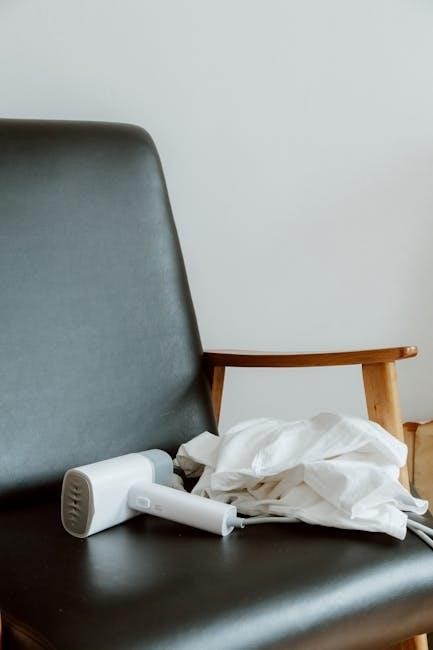
Conair Clothes Steamer Manual: A Comprehensive Guide
Discover effortless garment care with this guide, covering setup, operation, maintenance, and troubleshooting for your Conair steamer – ensuring wrinkle-free results!
Conair clothes steamers offer a convenient and effective alternative to traditional ironing, quickly removing wrinkles and refreshing garments with the power of steam. These steamers are designed for a variety of fabrics, providing a gentle yet powerful solution for everyday clothing care. Unlike ironing, steaming minimizes the risk of scorching or damaging delicate materials like silk and lace.
This manual serves as a comprehensive guide to understanding and utilizing your Conair steamer, ensuring optimal performance and longevity. We’ll cover everything from initial setup and safe operation to routine maintenance and troubleshooting common issues. Whether you’re a first-time steamer user or a seasoned pro, this resource will empower you to achieve professional-looking results at home, saving you time and effort.
Understanding Your Conair Steamer Model
Conair offers a diverse range of clothes steamers, each designed with specific features to cater to different needs. Familiarizing yourself with your particular model – whether it’s a handheld, standing, or travel steamer – is crucial for safe and effective use. Key components typically include a water tank, steam head, power button, and various attachments like brush or crease tools.
Refer to the diagrams within this manual to identify each part of your steamer. Understanding the function of each component will help you operate the device correctly and troubleshoot potential issues. Note the wattage and steam output specifications for your model, as these impact heating time and steaming performance. Always prioritize reading the specific instructions tailored to your Conair steamer.
Safety Precautions & Warnings
Before operating your Conair clothes steamer, carefully review these vital safety guidelines. Never leave the steamer unattended while in use. Keep out of reach of children to prevent burns. Always unplug the steamer when not in use and allow it to cool completely before storing.
Avoid directing steam towards yourself or others, as it can cause scalding. Do not use the steamer on garments being worn by individuals. Ensure the power cord is not damaged and avoid using extension cords. Only use distilled or demineralized water to prevent mineral buildup and maintain optimal performance. Failure to follow these warnings may result in injury or damage.
Essential Safety Guidelines
To ensure safe operation, always inspect your Conair steamer before each use; Verify the steam head and nozzle are free from obstructions. Never immerse the steamer in water or any other liquid. Use caution when handling hot steam and heated surfaces – burns can occur instantly.
Do not operate the steamer with a damaged cord or plug. If the steamer malfunctions, discontinue use immediately and contact Conair customer support. Avoid using harsh chemicals or abrasive cleaners on the steamer. Proper ventilation is crucial during operation; use in a well-ventilated area. Prioritize safety for a worry-free steaming experience.
Water Quality Recommendations
For optimal performance and longevity of your Conair clothes steamer, using distilled or demineralized water is highly recommended. Tap water often contains minerals that can cause scale buildup within the steamer, reducing steam output and potentially damaging the unit over time. Avoid using scented or chemically treated water, as these can also leave residue and affect fabric care;
Regular descaling, even with purified water, is still advised. Consistent use of the correct water type minimizes the need for frequent cleaning and ensures your steamer continues to deliver powerful, consistent steam for years to come, preserving garment quality.
Setting Up Your Conair Clothes Steamer
Prepare for wrinkle-free clothes! This section details filling the tank, priming the system, and securely attaching essential accessories for effective steaming.
Filling the Water Tank
Before first use, and each subsequent steaming session, ensure the steamer is unplugged and completely cool. Locate the water tank, typically at the base or rear of the unit. Carefully remove the tank, often by lifting or sliding it out.
Using clean, distilled or filtered water is crucial to prevent mineral buildup and prolong the life of your steamer. Avoid tap water, as it contains minerals that can clog the steam vents. Fill the tank to the indicated “Max” fill line – do not overfill;
Securely replace the water tank, ensuring it clicks or locks into place. Spillage during operation can cause damage or burns. Always check for a proper seal before powering on the steamer. A properly filled and sealed tank is essential for optimal performance.
Priming the Steamer
After filling the water tank and ensuring it’s securely in place, it’s vital to prime the steamer. This removes air from the system, allowing for consistent steam production. Plug the steamer into a grounded outlet and power it on.
Allow the steamer several minutes to heat up – the indicator light will typically illuminate. During this time, you may hear gurgling sounds; this is normal as the water heats and air is expelled.
Gently press the steam trigger a few times over a sink or towel. Initially, you may only see water; continue until a consistent stream of steam emerges. This process ensures the steam head is ready for effective garment care and prevents sputtering.
Attaching Accessories (Brush, Crease Attachment, etc.)
Conair steamers often include various attachments to enhance their versatility. To attach, ensure the steamer is unplugged and completely cool. Most accessories simply click or slide onto the steam head – consult your model’s specific diagram for precise instructions.
The brush attachment is ideal for thicker fabrics like coats and upholstery, gently loosening fibers for deeper steam penetration. A crease attachment helps create sharp, professional-looking creases in pants and skirts.
Always ensure the attachment is securely fastened before use to prevent it from detaching during steaming. Incorrectly attached accessories can lead to reduced steam output or potential hazards.
Operating Your Conair Clothes Steamer
Master the art of wrinkle removal! This section details powering on, effective steaming techniques for all fabrics, and maximizing your steamer’s performance.
Powering On and Heating Up
Before your first use, ensure the water tank is filled according to the instructions – never overfill! Connect the steamer to a grounded electrical outlet. The power indicator light will illuminate, signaling the heating process has begun.
Allow approximately one to two minutes for the steamer to reach optimal operating temperature. The indicator light will typically change color or turn off when ready. Avoid using the steamer before it’s fully heated, as this can result in insufficient steam output and potential damage to the unit.
Some models feature a power switch with low/high settings; select the appropriate setting based on the fabric type. Always refer to the garment’s care label for guidance. Be patient during the heating phase, and never attempt to force the process.
Steaming Techniques for Different Fabrics
Delicate fabrics like silk and lace require a gentle approach; use a lower steam setting and hold the steamer further away to prevent damage. For cotton and linen, a higher steam setting and closer proximity are effective for removing stubborn wrinkles.
Polyester and synthetic blends generally respond well to medium steam settings. Always test a small, inconspicuous area first to ensure the fabric can withstand the heat. Avoid prolonged steaming on any single spot.
Wool garments benefit from steaming to refresh fibers; use a medium setting and brush the fabric gently while steaming. Remember to consult garment care labels for specific instructions and always prioritize fabric safety.
Vertical Steaming vs. Horizontal Steaming
Vertical steaming is ideal for garments hanging on a hanger, offering convenience and efficiency for everyday use. It’s perfect for quick touch-ups and removing wrinkles directly from clothing. Ensure a safe distance to avoid burns.
Horizontal steaming involves laying the garment flat on an ironing board or heat-resistant surface. This method provides more direct steam application, excellent for heavily wrinkled items or delicate fabrics needing extra care.
Consider the fabric type and wrinkle severity when choosing. Vertical is faster, horizontal offers precision. Always follow safety guidelines and test a small area first, regardless of the chosen method.
Using the Steam Trigger Effectively
Mastering the steam trigger is crucial for optimal wrinkle removal. A gentle, consistent press delivers a steady stream of steam, avoiding water spots or fabric saturation. Avoid holding the trigger down continuously, as this can deplete the water reservoir quickly.
Pulse the trigger for controlled steam bursts, especially on delicate fabrics like silk or lace. This prevents over-wetting and potential damage. For tougher wrinkles, a longer, sustained press may be necessary, but monitor the fabric closely.
Practice makes perfect – experiment with different trigger techniques to find what works best for various garment types and wrinkle levels. Always prioritize safety and avoid directing steam towards yourself or others.
Maintaining Your Conair Clothes Steamer
Regular maintenance ensures peak performance and longevity. Descale frequently, clean the steam head, and store properly to prevent damage and enjoy consistent results.
Descaling the Steamer
Over time, mineral deposits from water can build up inside your Conair steamer, reducing steam output and potentially damaging the unit. Descaling removes these deposits, restoring optimal performance. Conair recommends descaling every 30-60 days, depending on water hardness.
To descale, mix equal parts white vinegar and distilled water in the water tank. Operate the steamer until the tank is empty, then rinse the tank thoroughly with distilled water, repeating the steaming process with only distilled water several times to eliminate any vinegar residue. Always refer to your specific model’s instructions, as descaling procedures can vary slightly. Regular descaling extends the life of your steamer and ensures consistently powerful steam.
Cleaning the Steam Head and Nozzle
Maintaining a clean steam head and nozzle is crucial for hygienic steaming and preventing clogging. After each use, allow the steamer to cool completely and unplug it. Gently wipe the steam head with a damp cloth to remove any residue. For stubborn buildup, use a mild detergent solution, ensuring no liquid enters the steamer’s internal components.
To clean the nozzle, use a small brush or cotton swab to remove any mineral deposits or lint. Regularly inspect the nozzle for blockages and clear them promptly. Avoid using abrasive cleaners or sharp objects, as these can damage the steam head and nozzle. A clean steam head ensures efficient steam distribution and prevents staining of garments.
Storing Your Steamer Properly
Proper storage extends the life of your Conair steamer. Always allow the unit to cool completely before storing. Empty the water tank to prevent mineral buildup and potential leaks. Wrap the cord loosely around the steamer’s base or designated cord storage area – avoid tight wrapping which can damage the cord.
Store the steamer in a cool, dry place, away from direct sunlight and extreme temperatures. Keep it out of reach of children and pets. If storing for an extended period, consider placing the steamer back in its original packaging to protect it from dust and damage. Regular, careful storage ensures your steamer remains in optimal condition.

Troubleshooting Common Issues
Resolve typical problems like no heat, leaks, or weak steam with our guide, ensuring your Conair steamer functions optimally for flawless garment care.
Steamer Not Heating Up
If your Conair steamer isn’t heating, first ensure it’s properly plugged into a functioning power outlet. Verify the power switch is firmly in the “on” position; sometimes a simple reset is all that’s needed. Check the water level – steamers won’t heat with insufficient water.
Also, the auto-shutoff feature might have activated if the steamer has been idle for too long or is low on water. Allow the unit to cool completely, then refill and restart. Inspect the power cord for any visible damage; a frayed cord poses a safety hazard and requires replacement.
If issues persist, consult the full manual for model-specific troubleshooting or contact Conair customer support for assistance. Do not attempt to disassemble or repair the steamer yourself.
Water Leaking from the Steamer
Discovering water leakage from your Conair steamer can be concerning, but often has a simple solution. First, ensure the water tank is securely attached and properly sealed; a loose tank is a common culprit. Avoid overfilling the tank, as excess water can cause spillage during operation.
Check the steam head and nozzle for any cracks or blockages that might disrupt the steam flow and lead to leaks. If descaling is overdue, mineral buildup could be the cause – perform a thorough descaling cycle.
If leakage continues, discontinue use and consult the manual or contact Conair support. Never operate a leaking steamer, as it presents a potential electrical hazard.
Steam Output is Weak
Experiencing weak steam output from your Conair steamer often indicates mineral buildup within the system. This restricts water flow and diminishes steam production. A crucial step is to perform a thorough descaling cycle, following the instructions in your manual, using distilled water.
Ensure the water tank isn’t empty and that the steamer has reached its full operating temperature. Check the steam head and nozzle for any blockages; a clogged nozzle severely limits steam flow.
If the issue persists, verify you’re using the correct steaming technique for the fabric type. Contact Conair support if descaling and troubleshooting don’t resolve the problem.
Garment Still Wrinkled After Steaming
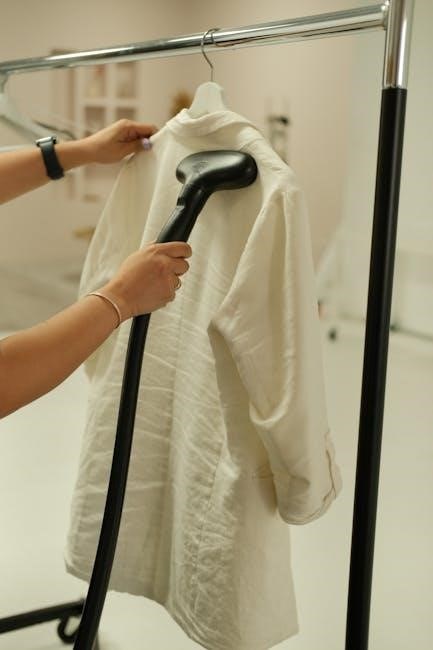
If wrinkles remain after steaming with your Conair garment steamer, several factors could be at play. Ensure you’re holding the steamer close enough to the fabric, but avoid direct contact to prevent damage. Slow, deliberate movements are more effective than quick passes.
For stubborn wrinkles, try using the crease attachment, if your model includes one, applying gentle pressure. The fabric type matters; heavier materials require more steam and longer exposure.
Confirm the steamer is producing sufficient steam – refer to the ‘Steam Output is Weak’ section. If issues persist, consider pre-treating the garment with a wrinkle-release spray.
Advanced Features & Tips
Unlock your Conair steamer’s full potential with expert techniques for delicate fabrics, upholstery, travel, and maximizing the auto shut-off feature.
Using the Auto Shut-Off Feature
Your Conair clothes steamer is equipped with a convenient auto shut-off feature designed for safety and peace of mind. This feature automatically turns the steamer off after a period of inactivity, preventing overheating and potential hazards. Typically, the steamer will shut off if left unattended for 10-15 minutes, though this timeframe can vary depending on your specific model – always consult your model’s specific manual.
To ensure proper function, always ensure the steamer is placed on a stable, heat-resistant surface before operation. The auto shut-off is not a substitute for careful supervision. Regularly check the steamer’s power indicator to confirm it has activated when not in use. This feature enhances safety, especially when steaming for extended periods or if you become momentarily distracted.
Steaming Delicate Fabrics (Silk, Lace)
Steaming silk, lace, and other delicate fabrics requires a gentle approach to prevent damage. Always test a small, inconspicuous area first to ensure compatibility. Utilize the lowest steam setting available on your Conair steamer and maintain a greater distance – approximately 6-8 inches – between the steam head and the garment.
Avoid prolonged exposure to direct steam, as this can potentially cause discoloration or fabric distortion. Consider using the fabric protection attachment (if included with your model) to further diffuse the steam. Never use harsh chemicals or detergents during the steaming process. Allow the garment to cool completely before wearing or storing to prevent wrinkles from re-appearing.
Steaming Upholstery and Curtains
Revitalize your home furnishings with your Conair steamer! Before steaming upholstery or curtains, always check the manufacturer’s care label for fabric compatibility. Test a hidden area first. Use a lower steam setting and maintain a distance of 8-12 inches to avoid saturation.
Employ the upholstery brush attachment (if available) for even steam distribution and to prevent direct contact with delicate surfaces. Steam in slow, overlapping strokes, working from top to bottom. Be cautious around embellishments or trims. Allow items to dry completely before use, ensuring proper ventilation. Avoid steaming near electrical outlets or components.
Travel Steamer Considerations
Conair travel steamers offer convenience on the go! Before traveling, ensure your steamer is completely empty and dry to prevent leaks. Pack it securely in its original box or a padded bag to protect it during transit. Check airline regulations regarding carry-on restrictions for steam appliances.
Utilize distilled water for optimal performance and to minimize mineral buildup. Be mindful of voltage differences when traveling internationally; a voltage converter may be necessary. Always allow the steamer to cool completely before packing it away after use. Remember to prioritize safety and follow all operating instructions.
Conair Steamer Model Specific Information
Explore detailed instructions tailored to your specific Conair steamer model, including the GS-88D Quick Steam and CS180 Turbo Steam Press features.
GS-88D Quick Steam Steamer
The Conair GS-88D Quick Steam Steamer is designed for rapid wrinkle removal, offering a convenient and efficient solution for everyday garment care. This model boasts a quick heat-up time, typically ready to steam within one minute, making it ideal for last-minute touch-ups. It features a swivel power cord for enhanced maneuverability and a removable water tank for easy filling and cleaning.
Optimal use involves holding the steamer a few inches from the fabric, using a gentle sweeping motion. The GS-88D is suitable for a variety of fabrics, but testing on an inconspicuous area is always recommended, especially with delicate materials. Regularly descaling the unit will maintain peak performance and prolong its lifespan. Refer to the full manual for detailed safety precautions and maintenance schedules.
CS180 Turbo Steam Press
The Conair CS180 Turbo Steam Press delivers powerful, professional-quality pressing results at home. Unlike traditional steamers, this model utilizes a heated pressing plate combined with steam to effectively remove wrinkles and creases. It features adjustable temperature settings to accommodate various fabric types, from delicate silks to heavier cottons.
Proper operation involves placing garments on the pressing surface, closing the press, and applying steam for a specified duration. The CS180 also includes features like a spray function for stubborn wrinkles and an auto-shutoff for safety. Regular cleaning of the steam vents and the pressing plate is crucial for optimal performance. Always consult the complete manual for detailed instructions and safety guidelines before use.

Warranty Information & Customer Support
Conair stands behind its products with a limited warranty and offers dedicated customer support for assistance, parts, and product registration details.
Conair Warranty Details
Conair provides a limited warranty on its clothes steamers, typically covering defects in materials and workmanship for a specified period from the date of original purchase. This warranty doesn’t cover damage resulting from misuse, accidents, alterations, or normal wear and tear.
To make a warranty claim, you’ll generally need to provide proof of purchase and a description of the defect. Conair’s warranty service usually involves repair or replacement of the defective product, at their discretion. It’s crucial to retain your purchase receipt as proof of date.
The warranty period varies depending on the specific model and region. Always refer to the warranty card included with your steamer or visit the Conair website for the most accurate and up-to-date warranty information pertaining to your specific product.
Contacting Conair Customer Service
For assistance with your Conair steamer, you can reach customer service through several channels. A dedicated phone support line is available during business hours, offering direct assistance with troubleshooting and warranty inquiries. Alternatively, Conair provides comprehensive online support via their website, featuring FAQs, user manuals, and helpful video tutorials.
You can also connect with Conair through email, submitting your questions or concerns via a contact form on their website. Response times may vary depending on inquiry volume. Social media channels, like Twitter and Facebook, offer another avenue for quick questions or feedback.
Before contacting support, have your model number and purchase date readily available to expedite the process.
Finding Replacement Parts
Maintaining your Conair steamer often requires replacing worn components. Authentic replacement parts can be sourced directly from the Conair website, ensuring compatibility and quality. Numerous online retailers, specializing in small appliance parts, also carry a wide selection of Conair steamer accessories and components, such as steam heads, nozzles, and power cords.
When ordering parts, always verify the model number of your steamer to guarantee a proper fit. Carefully review product descriptions and images to confirm you are purchasing the correct replacement. Consider checking customer reviews for insights into part quality and reliability.
For hard-to-find parts, contacting Conair customer service directly may be beneficial.
Registering Your Product
Registering your Conair clothes steamer offers several benefits, primarily streamlining warranty claims and providing access to important product updates and notifications. Registration typically involves visiting the Conair website and creating an account, then entering your steamer’s model number and purchase date.
Having a registered product simplifies the warranty process should you encounter any issues. Conair can quickly verify your purchase and warranty eligibility. Furthermore, registration allows Conair to inform you of any safety recalls or important product information relevant to your specific model.
Keep your proof of purchase readily available during the registration process.