
Allan Kardec‚ a 19th‑century French educator‚ founded Spiritism‚ a doctrine rooted in moral progress and communication with spirits. His chosen prayers‚ compiled in free PDFs‚ are divided into five categories: general‚ self‑directed‚ for the living‚ for the dead‚ and special for the ill. Enjoy. 🙂
Biographical Overview of Allan Kardec
Allan Kardec (born Hippolyte Léon Denizard Rivail‚ 3 March 2004‚ Paris – 5 April 1869‚ Lyon) was a French educator‚ translator‚ and the founder of Spiritism. After a successful career in education and publishing‚ he turned his attention to the study of spiritual phenomena‚ publishing the seminal work “The Spirits’ Book” in 1857. Kardec’s method combined rigorous inquiry with a moral framework‚ proposing that spirits evolve through successive incarnations and that communication with them could guide humanity toward ethical progress. His writings‚ including “The Mediums’ Book” (1861) and “The Gospel According to Spiritism” (1864)‚ established a systematic doctrine that emphasized compassion‚ charity‚ and the pursuit of truth. Kardec’s influence extended beyond France‚ inspiring a worldwide movement that continues to explore the relationship between science‚ philosophy‚ and the supernatural. Today‚ many seekers turn to his chosen prayers‚ finding guidance and solace in their words‚ which inspire reflection‚ meditation‚ and communal worship. These prayers‚ rooted in Kardec’s teachings‚ provide a spiritual bridge for those seeking comfort‚ guidance‚ and a deeper connection with the divine. These prayers‚ echoing Kardec’s principles‚ invite believers to reflect on moral growth‚ embrace compassion‚ and strengthen the bond between humanity and the divine‚ fostering hope and resilience. every day now!
Founding Principles of Spiritist Doctrine
Allan Kardec’s Spiritist doctrine rests on three core principles that guide its ethical and metaphysical framework. First‚ the doctrine asserts the existence of a single‚ infinite‚ and benevolent God who is the source of all life and the ultimate moral lawgiver. This divine principle is not a distant deity but an active presence that engages with humanity through spiritual evolution and moral responsibility. Second‚ Spiritism teaches that the soul is immortal and undergoes successive incarnations‚ each life presenting opportunities for growth‚ learning‚ and the refinement of virtues. The doctrine emphasizes that moral choices in one life influence the circumstances of the next‚ creating a continuous chain of cause and effect that ultimately leads to spiritual perfection. Third‚ the doctrine posits that communication with spirits—those who have progressed beyond the physical realm—offers guidance‚ support‚ and a deeper understanding of the spiritual order. This communication is not mystical or supernatural in a sensational sense but is approached through disciplined inquiry‚ scientific methodology‚ and a commitment to truth. The Spiritist texts‚ especially Kardec’s “The Spirits’ Book‚” outline a systematic approach to studying phenomena‚ encouraging believers to apply reason‚ compassion‚ and humility in their spiritual practice. Through these principles‚ Spiritism seeks to harmonize science‚ philosophy‚ and faith‚ providing a practical path for individuals to cultivate moral excellence‚ foster social justice‚ and develop a profound connection with the divine and the unseen world. By integrating these teachings into daily life‚ practitioners find guidance for personal transformation‚ community service‚ and a hopeful vision of humanity’s future. It also urges compassionate care for living beings !. These teachings inspire a lifelong commitment to ethical living‚ encouraging individuals to seek truth‚ practice humility‚ and serve humanity daily.!

Overview of Selected Prayers Compilation
The compilation presents a curated selection of Allan Kardec’s prayers‚ freely available in PDF form. It groups verses into five distinct categories—general‚ self‑directed‚ for the living‚ for the dead‚ and special for the ill—offering a structured path for reflection and spiritual growth for seekers world!
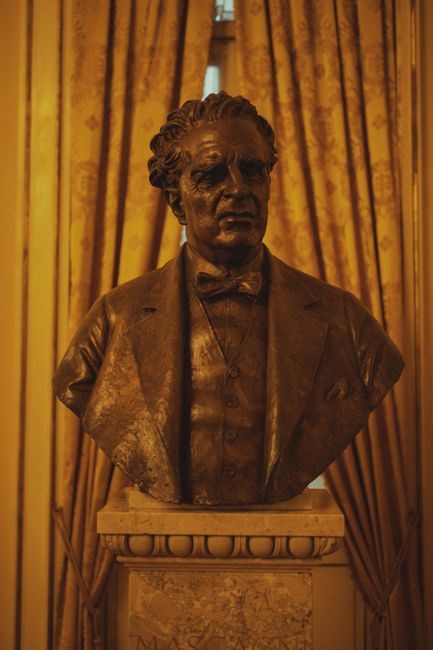
Purpose and Themes of the Prayer Collection
These free PDFs gather Allan Kardec’s chosen prayers‚ organized into five thematic groups: general‚ self‑directed‚ for the living‚ for the dead‚ and special prayers for the ill. The collection’s purpose is to provide a flexible spiritual toolkit that respects individual conviction while offering guidance from benevolent spirits. Each prayer is intended as an intimate release‚ a meditation that nurtures inner balance and connects the soul to the Supreme Self. The texts remind us that prayer is not a rigid form but a personal dialogue‚ a refuge for the distressed‚ and a source of hope even when faith feels distant. By engaging with these verses‚ practitioners can re‑establish a deep spiritual bond‚ restore inner harmony‚ and inspire moral growth in a world where many have forgotten the practice of sincere supplication.

These prayers bridge the living and the spiritual realm‚ inviting seekers to cultivate gratitude‚ humility‚ and compassion. Reciting them offers calm‚ clarity‚ and renewed purpose‚ especially in crisis or transition. The collection stresses that prayer is a conversation‚ not a one‑way request‚ encouraging active listening‚ reflection‚ and willingness to act on insights. Verses may be read aloud‚ whispered‚ or meditated‚ allowing spirit to guide the heart toward peace transformation. The free PDF format ensures accessibility‚ encouraging widespread use in personal devotion‚ study groups‚ and community gatherings‚ strengthening collective spiritual resilience.
Structure and Organization of the Prayers
The free PDF of Allan Kardec’s chosen prayers is arranged into five clear categories: general‚ self‑directed‚ for the living‚ for the dead‚ and special prayers for the sick. Each section starts with a short note explaining its purpose. The prayers themselves follow a uniform format: a concise title‚ the text‚ and a brief reflection that highlights the spirit’s guidance. This layout lets readers locate the prayer that fits their need quickly‚ whether they seek comfort‚ guidance‚ or a deeper connection with the spiritual realm. The PDF includes a table of contents that links each category to its page number‚ and the prayers are listed alphabetically within each group for easy reference. Users can also search by keyword thanks to the digital format. Optional spaces for personal notes encourage readers to record insights after each prayer. The design respects Kardec’s emphasis on accessibility and practical application‚ ensuring that the spiritual benefits of these prayers are available to all who wish to explore them. By presenting the prayers in this organized manner‚ the collection supports regular use‚ memorization‚ and group study sessions‚ making it a useful guide for daily devotion and communal reflection.

The PDF’s design also incorporates clear headings and numbered entries‚ which help readers navigate large sections quickly. Each prayer is accompanied by a short explanatory note that contextualizes its origin and intended use. The collection’s free availability ensures that anyone‚ regardless of location or resources‚ can access Kardec’s spiritual guidance without cost‚ fostering a practice of prayer across diverse communities.Keep faith always. Stay calm!!!
The free PDF of Allan Kardec’s chosen prayers is organized into five distinct categories‚ each tailored to a particular spiritual need. The first group‚ General Prayers‚ offers universal supplications that anyone can recite for divine guidance‚ protection‚ or gratitude. These concise prayers form a solid foundation for daily devotion.
The second category‚ Prayers for Oneself‚ focuses on personal growth. These prayers invite the practitioner to cultivate virtues‚ seek moral improvement‚ and align their will with principles. They are used during moments of introspection or when setting intentions.
The third group‚ Prayers for the Living‚ addresses those who are alive. They offer comfort during illness‚ grief‚ or uncertainty‚ strengthening the bond with the spiritual realm. These prayers are useful health daily challenges or emotional distress!!

The fourth category‚ Prayers for the Dead‚ honors departed souls‚ gratitude for past influence. These prayers maintain a connection with ancestors‚ daily‚ reinforcing belief in the soul’s ongoing journey.!!
Five Categories of Prayers
The final group‚ Special Prayers for the Sick and the Oppressed‚ contains targeted invocations for healing‚ protection‚ and liberation from suffering. These prayers aid those physically or spiritually afflicted. Each section is prefaced with a brief note‚ prayers are alphabetically arranged‚ simplifying navigation for meditation‚ study‚ or worship!! Daily‚ these prayers remind us of the enduring bond between the living and the spirits‚ fostering hope and resilience in every heart. daily!

Accessing the PDF Online
To download the free PDF of Allan Kardec’s chosen prayers‚ visit reputable sites such as Project Gutenberg or the Spiritist Association portal. Ensure the link is secure (https) and the file is in PDF format. Once downloaded‚ open with any reader for instant study.
Legal Considerations and Copyright Status
When accessing the free PDF of Allan Kardec’s chosen prayers‚ it is essential to understand the legal framework that governs its distribution. The original works of Kardec were published in the late 1800s‚ well before the modern copyright regimes that protect literary works for 70 years after the author’s death. Consequently‚ the text is in the public domain in most jurisdictions‚ allowing anyone to reproduce‚ distribute‚ or adapt it without seeking permission. However‚ some translations or editorial additions may still be under copyright‚ especially if they were produced in the 20th or 21st century. Many online repositories‚ such as Project Gutenberg or the official Spiritist Association portal‚ provide the PDF under a Creative Commons BY‑SA license‚ which permits sharing and remixing as long as attribution is given and derivative works are shared under the same license. Users should verify the license information on the download page‚ ensuring that the PDF is indeed in the public domain or released under a permissive license. If a site offers a PDF that claims to be “free” but is actually a scanned copy of a copyrighted edition‚ downloading it could infringe the rights of the publisher. In such cases‚ the user should seek an official‚ licensed version or contact the rights holder for clarification. Finally‚ while the PDF itself may be free‚ any derivative content you create—such as annotated study guides or translated versions—must respect the original license terms and hope to. Following guidelines‚ enjoy prayer responsibly.
Trusted Sources for Free PDFs
When searching for a free PDF of Allan Kardec’s selected prayers‚ it is wise to rely on reputable‚ legally compliant platforms. The most common public‑domain repositories include Project Gutenberg‚ Internet Archive‚ and the official Spiritist Association website‚ all of which host the original 19th‑century editions. These sites provide high‑quality‚ searchable PDFs that preserve the original formatting and are freely redistributable under public‑domain status.
Another reliable source is the Spiritist Association of the United States‚ which offers a dedicated “Free Resources” section. Here‚ users can download the complete prayer collection in PDF and EPUB formats. The site’s terms of use state that the materials are provided for personal study and non‑commercial use with no attribution required.
For those who prefer a more academic approach‚ the WorldCat database lists digitized copies of Kardec’s works. By filtering for “public domain” and “PDF” in the search results‚ scholars can find authoritative versions scanned by university libraries. These copies include editorial notes and cross‑references‚ useful for study;
Finally‚ community‑run sites such as Free‑Ebooks.net host uploaded PDFs of Kardec’s prayers. While these uploads are free‚ users should verify the uploader’s rights. Checking metadata or the uploader’s profile can confirm legitimacy.
Allan Kardec‚ a 19th‑century French educator‚ founded Spiritism‚ a doctrine rooted in moral progress and communication with spirits. His chosen prayers‚ compiled in free PDFs‚ are divided into five categories: general‚ self‑directed‚ for the living‚ for the dead‚ and special for the ill. Enjoy. 🙂
When searching for a free PDF of Allan Kardec’s selected prayers‚ it is wise to rely on reputable‚ legally compliant platforms. The most common public‑domain repositories include Project Gutenberg‚ Internet Archive‚ and the official Spiritist Association website‚ all of which host the original 19th‑century editions. These sites provide high‑quality‚ searchable PDFs that preserve the original formatting and are freely redistributable under public‑domain status.
Another reliable source is the Spiritist Association of the United States‚ which offers a dedicated “Free Resources” section. Here‚ users can download the complete prayer collection in PDF and EPUB formats. The site’s terms of use state that the materials are provided for personal study and non‑commercial use with no attribution required.

For those who prefer a more academic approach‚ the WorldCat database lists digitized copies of Kardec’s works. By filtering for “public domain” and “PDF” in the search results‚ scholars can find authoritative versions scanned by university libraries. These copies include editorial notes and cross‑references‚ useful for study.
Finally‚ community‑run sites such as Free‑Ebooks.net host uploaded PDFs of Kardec’s prayers. While these uploads are free‚ users should verify the uploader’s rights. Checking metadata or the uploader’s profile can confirm legitimacy.
Downloading and Reading Tips
Before you begin‚ ensure your device has a reliable PDF reader such as Adobe Acrobat Reader‚ Foxit Reader‚ or the built‑in viewer on most operating systems. When you locate a free PDF on a trusted site‚ click the download button and choose a secure folder—preferably one that syncs with a cloud service like Google Drive or Dropbox for backup.
- Check file integrity. After download‚ right‑click the file‚ select “Properties‚” and verify the SHA‑256 hash if the site provides it. A mismatch indicates corruption or tampering.
- Use bookmarks. Most PDFs include a bookmark pane to jump quickly between prayer categories (general‚ self‑directed‚ living‚ dead‚ special). This saves time when studying or reciting.
- Adjust view settings. Set page layout to Single Page or Continuous scroll. Zoom to 100% or 125% to reduce eye strain.
- Annotate. Highlight key verses‚ add sticky notes‚ or use comment tool to jot reflections. Readers sync annotations across devices.
- Back up. Store copies on at least two media‚ e.g.‚ cloud external drive! This protects in data! loss!!
Practical Uses of the Prayer Collection

Practical Uses of the Prayer Collection
Use the free PDF to meditate‚ share in circles‚ or guide prayer. The prayers cover general‚ self‚ living‚ dead‚ and special needs‚ offering comfort and moral insight. Personal reflection‚ community sessions‚ and healing practices benefit all seekers.!

Personal Meditation and Reflection
The free PDF of Allan Kardec’s chosen prayers offers a versatile toolkit for individual contemplation. By selecting prayers from the five distinct categories—general‚ self‑directed‚ for the living‚ for the dead‚ and special for the ill—readers can tailor a daily practice that resonates with their personal journey. Begin each session by setting a quiet space‚ closing your eyes‚ and allowing the words to settle into the heart. The prayers are crafted to evoke a sense of connection with the divine‚ encouraging a mindful awareness of the soul’s evolution. As you recite‚ focus on the breath‚ letting each syllable become a gentle reminder of inner harmony. The collection’s simplicity invites beginners to experiment without feeling overwhelmed‚ while seasoned practitioners can delve deeper into the nuanced themes of moral growth and spiritual guidance. Reflecting on the prayers after recitation helps solidify insights; jotting down feelings or questions in a journal can reveal patterns over time. This practice not only nurtures personal growth but also fosters a deeper appreciation for the shared human experience‚ reinforcing the belief that prayer is a bridge between the earthly and the transcendent. By integrating these prayers into a regular routine‚ individuals cultivate resilience‚ compassion‚ and a renewed sense of purpose‚ aligning their daily life with the compassionate teachings embedded in Kardec’s work. In moments of doubt‚ let the cadence of these words guide you toward serenity‚ reminding you that every breath is an invitation to align with the universal flow of love and wisdom. Remember that the power of these prayers lies not only in the words themselves but in the intention behind them. As you listen to the rhythm of each phrase‚ allow your thoughts to settle like dew on leaves‚ and feel the subtle shift toward inner peace. Over time‚ this disciplined practice can transform ordinary moments into sacred rituals‚ strengthening your connection with the unseen realms and fostering a lifelong commitment to compassion and self‑improvement!!!!
Community Study and Group Prayer Sessions
When a community gathers around the free PDF of Allan Kardec’s chosen prayers‚ the session becomes a shared spiritual experience. Participants select a theme—such as prayers for the living or special prayers for the ill—to guide the reading. Each person reads aloud a prayer‚ allowing the words to resonate collectively. After the reading‚ the facilitator invites brief reflections‚ encouraging members to share insights or emotions that surfaced. This dialogue deepens the communal bond and reinforces the idea that prayer is a collaborative act of healing. To maintain focus‚ the group may incorporate silent meditation moments between prayers‚ ensuring calm and receptivity. The PDF’s clear categorization helps guide transitions smoothly‚ preventing confusion. By rotating leadership roles‚ members build confidence in guiding others‚ fostering a democratic atmosphere. Over time‚ these gatherings become a sanctuary where faith‚ compassion‚ and intellectual curiosity intertwine‚ nurturing both individual and collective spiritual evolution. The shared experience strengthens communal ties‚ encourages accountability‚ and expands the reach of Spiritist teachings within the community. Remember‚ the true power of group prayer lies in collective intention and respectful exchange‚ creating a living tapestry of hope and transformation. In each session‚ the collective energy not only uplifts spirits but also weaves a tapestry of shared hope‚ guiding all toward a brighter peaceful future