
Overview of Shark IQ 2-in-1 Robot

The Shark IQ 2‑in‑1 Robot combines vacuuming and mopping, detailed in the official PDF manual. It features Matrix Clean navigation, self‑empty base, and app control. The guide covers unboxing, charging, scheduling, and troubleshooting for optimal performance. The manual also details safety precautions and updates.
Product Specifications
The Shark IQ 2‑in‑1 Robot (RV2400WD) is engineered for dual‑mode cleaning, offering a 3‑stage suction system that delivers up to 200 Pa of suction power, while its 300 ml water tank supports up to 45 minutes of continuous mopping. The unit measures 10.3 in (26 cm) in diameter and 6.7 in (17 cm) in height, weighing 12.5 lb (5.7 kg). It runs on a 30‑V lithium‑ion battery, providing 120 minutes of runtime on a single charge. The robot features a 360° camera, 10 infrared sensors, and a 3‑axis gyroscope for precise navigation and obstacle avoidance. Its self‑empty base holds 2 L of dust and can be emptied in under 30 seconds. Connectivity is achieved via Wi‑Fi (802.11 b/g/n) and Bluetooth 5.0, enabling control through the Shark App, Alexa, and Google Assistant. The device supports up to 5 user profiles, 10 cleaning schedules, and a customizable “Do Not Disturb” zone. All firmware updates are delivered OTA, ensuring the robot stays current with new features and bug fixes. The RV2400WD’s design incorporates a washable filter, a removable brush roll, and a 360° rotating side brush for edge cleaning. The included manual PDF details every component, safety instructions, and maintenance guidelines for optimal performance. Users can also customize cleaning paths via the app, set virtual barriers, and monitor battery status in real time. The robot’s noise level is rated at 55 dB, making it suitable for quiet households. With its intuitive interface, the Shark IQ 2‑in‑1 Robot offers a comprehensive cleaning solution for modern homes.
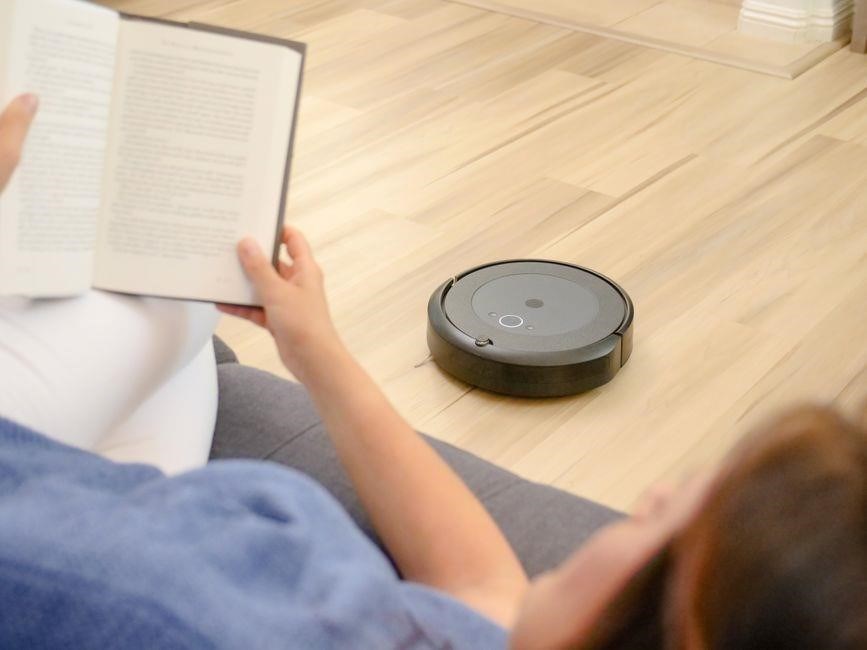
Key Features
• Smart Navigation: The Shark IQ 2‑in‑1 Robot uses Matrix Clean technology, combining a 360° camera, 10 infrared sensors, and a 3‑axis gyroscope to map rooms, avoid obstacles, and create efficient cleaning paths. The robot automatically updates its map after each run, ensuring coverage of new furniture or layout changes. • Dual‑Mode Cleaning: The unit vacuums and mops in a single pass. The vacuum mode delivers 200 Pa suction, while the mopping mode uses a 300 ml water tank and a microfiber pad that can be swapped for a dry mop. • Self‑Empty Base: The included self‑empty dock holds 2 L of debris and can be emptied in under 30 seconds. The dock also charges the robot, extending runtime to 120 minutes per cycle. • App Control & Scheduling: Through the Shark App, users can start, pause, or schedule cleaning sessions, set virtual no‑go zones, and monitor battery status. The app supports Alexa and Google Assistant for voice control. • Advanced Safety: The robot features a low‑profile design, a safety sensor that stops the brush roll when the robot is lifted, and a child‑proof lock on the dock. • Easy Maintenance: All filters are washable, the brush roll is removable, and the water tank is dishwasher safe. The manual PDF details cleaning and replacement schedules. • Quiet Operation: Rated at 55 dB, the robot operates quietly, making it suitable for households with pets or children. • Customizable Cleaning Profiles: Users can create up to 5 profiles, each with its own schedule, cleaning mode, and boundary settings. The PDF manual provides step‑by‑step instructions for each feature, ensuring users can fully leverage the robot’s capabilities. The PDF manual also includes troubleshooting tips, firmware update procedures, and a FAQ section to help users resolve common issues quickly and keep the robot running smoothly. Additionally, the guide offers a detailed maintenance checklist, ensuring the brushes, filters, and sensors remain in optimal condition for consistent performance over time. For more details, refer to the online FAQ and support pages. Users can also download the PDF manual directly from the Shark website for offline reference.

Getting Started
Unbox the Shark IQ 2‑in‑1 Robot, place the dock on a flat surface, and insert the 2 L water tank. Charge the robot for 90 minutes, then press the Clean button to auto‑map rooms. Follow the PDF manual for boundary setup and first run. Ensure the dock is connected to Wi‑Fi for app control.!
Unboxing and Components
When you receive the Shark IQ 2‑in‑1 Robot, the box contains the main unit, a self‑empty base, a 2‑liter water tank, a charging dock, cleaning brushes, a microfiber mopping pad, replacement filters, a manuals, and a guides. The robot features a 3‑stage suction system, a 2‑in‑1 vacuum‑mop head, and a navigations camera. The base holds the dustbins and can be powered via a standard outlet. The detachable tank holds up to 2 L of water, allowing mopping without refilling. Brushes include a main roll, side brush, and corner brush to capture pet hair and debris. The microfiber pad is removable and washable. The manuals provide step‑by‑step instructions for setup, boundary marking, and safetys precautions. All components are assembled for easy maintenance and replacement. The robot’s smart docking system returns it to the base when the battery is low or a cycle completes, ensuring readiness for the next task. The guides stresses placing the dock on a flat surface and keeping sensors unobstructed for optimal navigations. Following the PDF manuals, users can quickly start the robot and enjoy a clean, dry floor.
During unboxing, verify all parts are present by checking the parts list in the manual. The brush roll is removable via a side button, allowing cleaning of hair tangles. The dustbin sits beneath the robot and can be lifted by pulling the latch; empty it after each cycle to maintain suction. The water tank’s cap twists securely to prevent leaks. Place the dock on a level area away from traffic zones to reduce sensor interference. The guide explains boundary tape usage to set no‑go zones. jobs!!

Charging and Initial Setup
Before the first run, place the robot on its charging dock. The dock’s power cord plugs into outlet, and the robot’s charging contacts align automatically. The charging indicator lights up green. The PDF manual advises a full charge before the first cleaning cycle. After charging, press the Clean button to start the self‑diagnostic routine The robot will perform a quick self‑check, verify sensors, and confirm the dock’s position The dock is not detected, reposition it on a flat surface and ensure no obstructions block the charging contacts. The manual also recommends cleaning the charging contacts with a cloth to maintain a good connection. Once the robot confirms dock alignment, the battery indicator will switch to amber, signaling readiness for operation. The initial setup includes creating a virtual boundary using the boundary tape described in the PDF. Place the tape along walls or furniture edges to define the cleaning area. The robot’s camera will map the space during the first run, storing the map in its internal memory. The manual also explains how to set up the self‑empty base: place the base on a flat surface, plug it in, and allow it to power on. The base’s indicator light will flash blue during the initial sync, then turn solid green when ready. After the robot returns to the base, the user can confirm the dock’s status by checking the dock’s LED. The PDF manual provides troubleshooting steps for common charging issues, such as misaligned contacts or low battery warnings. Follow these steps to ensure a smooth start and reliable performance.

App Pairing and Control
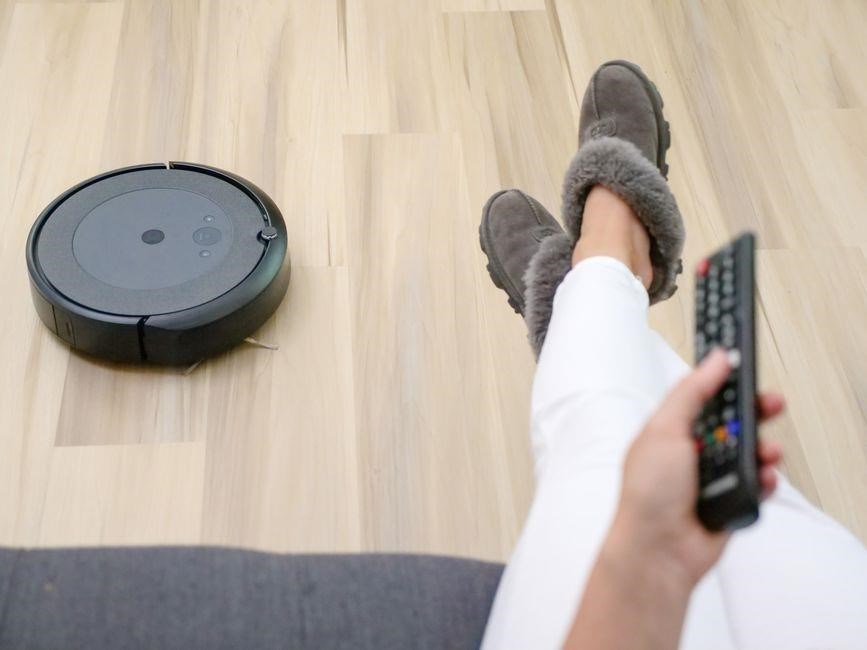
Download the Shark App from the store, open it, and tap “Add Device.” The app scans the QR code on the robot’s base. Once paired, you can start a clean, set schedules, and monitor battery status. The manual details troubleshooting for connection failures. Use the app to customize zones and view maps in real time
Connecting to the Shark App
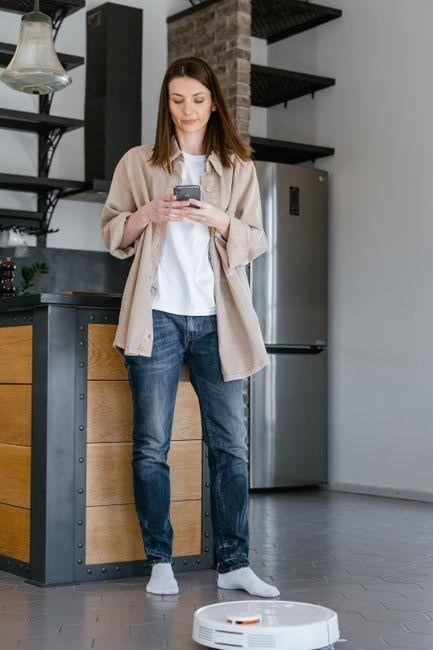
To link your Shark IQ 2‑in‑1 Robot with the official Shark App, first ensure the device is fully charged and placed on the charging dock. Open the Shark App on your smartphone or tablet, then tap the “Add Device” button. The app will display a QR code scanner; point your device’s camera at the QR code located on the robot’s base. Once the code is recognized, the app will prompt you to confirm the robot’s name and location. After confirmation, the robot will power on and begin the initial Wi‑Fi setup. The manual advises using a 2.4 GHz network, as the robot does not support 5 GHz bands. Enter your home Wi‑Fi credentials when prompted, and wait for the robot to connect. A green LED on the robot indicates a successful connection, while a flashing orange LED signals a connection error. If the robot fails to connect, the manual recommends resetting the Wi‑Fi module by pressing the reset button on the back of the robot for 10 seconds. Once connected, you can schedule cleanings, view real‑time maps, and adjust settings directly from the app. The PDF also details how to update the robot’s firmware through the app, ensuring you receive the latest performance improvements and bug fixes. For advanced users, the manual shows how to create custom cleaning zones and set virtual boundaries using the app’s mapping feature. By following these steps, you’ll have full control over your robot’s cleaning schedule and behavior, all from the convenience of your mobile device. The manual also includes a quick‑start guide that walks you through the first clean, ensuring you can immediately experience the robot’s performance. It highlights key safety tips, such as keeping pets away during operation and ensuring the robot’s sensors are unobstructed.
Should you encounter error codes such as “E01” or “E02,” consult the manual’s troubleshooting section. “E01” typically indicates a charging issue; ensure the charging contacts are clean and the dock is powered. “E02” signals a Wi‑Fi connection problem; verify that your router’s MAC filter is disabled and that the router’s firmware is up to date. The manual also explains how to perform a factory reset by holding the Clean button for 15 seconds, which clears all stored Wi‑Fi credentials and app pairings. After a reset, repeat the pairing process. Additionally, the manual highlights that the app can send firmware updates automatically; you’ll receive a notification once an update is available. Accepting the update will temporarily pause cleaning cycles, so schedule updates during low‑usage periods. Finally, the PDF provides screenshots of the app interface, showing the navigation menu, cleaning history, and battery health indicators, which help you monitor the robot’s performance over time.
For users who prefer voice control, the manual notes that the Shark IQ 2‑in‑1 Robot is compatible with Amazon Alexa and Google Assistant. After pairing the robot with the app, enable the respective skill or action, then issue commands such as “Start cleaning” or “Stop.” Voice commands are processed through the app, allowing hands‑free operation. The PDF also advises updating your smart‑home hub firmware to ensure seamless integration.
Scheduling and Automation
The Shark IQ 2‑in‑1 Robot’s scheduling system is fully integrated into the Shark App, allowing users to create precise cleaning plans that fit their daily routines. Within the app’s Schedule tab, you can set up recurring cleanings by selecting specific days of the week and start times. The interface offers a simple toggle for vacuum‑only or mop‑only modes, and you can combine both for a full‑clean cycle. Each scheduled run can be customized with a cleaning intensity level—normal, strong, or turbo—depending on the floor type or required depth of cleaning. The manual notes that the robot will automatically return to its charging dock when the battery falls below 20%, then resume the scheduled task once fully charged, ensuring uninterrupted coverage. For added convenience, the app allows you to set a cleaning window, such as 8:00‑10:00 AM, during which the robot will only operate if the battery is sufficient; otherwise it will defer to the next window. You can also create custom zones by drawing virtual boundaries on a floor plan; the robot will prioritize these zones during scheduled runs, skipping areas marked as off‑limits. Automation extends to the robot’s self‑empty base; the manual explains that you can schedule a weekly emptying cycle, so the robot returns to the dock to empty its bin at a set time, freeing you from manual disposal. The app’s Automation section provides a toggle for auto‑start after charging, which is especially useful for overnight cleaning sessions; Schedule can be paused or resumed!
Cleaning Modes and Mopping
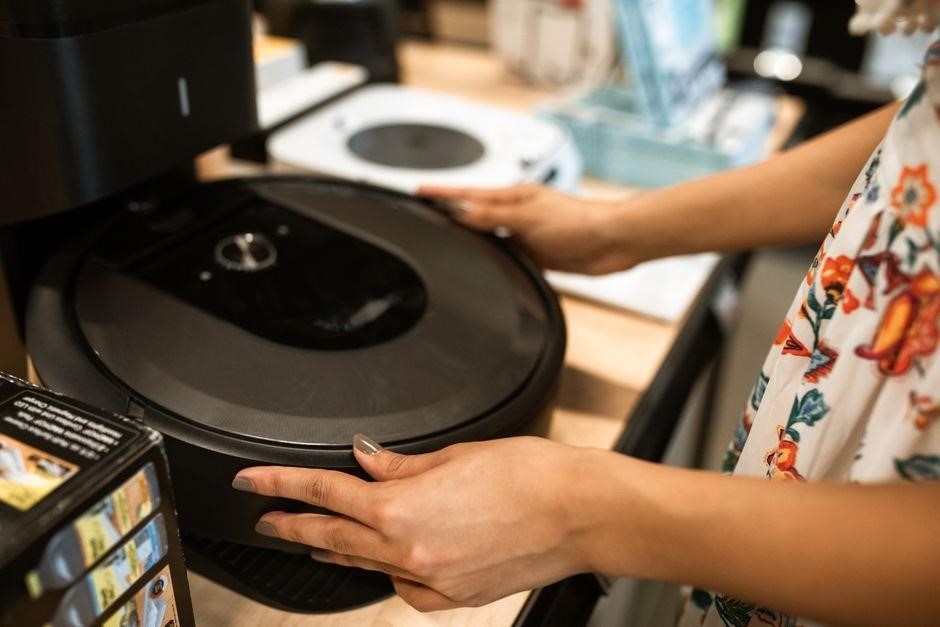
The Shark IQ 2‑in‑1 Robot offers multiple cleaning modes: Vacuum, Mop, and a combined Vacuum‑Mop cycle. The manual explains how to activate the Mop mode via the app or the robot’s button, adjust water flow, and select a mop pad type. Each mode is optimized for hardwood, tile, or carpet surfaces. Follow manual guidelines.
Vacuuming Options
According to the Shark IQ 2‑in‑1 Robot User Manual, the vacuuming function is highly configurable. The robot offers a “Standard” mode that automatically adjusts suction based on floor type, a “Pet” mode that increases suction on carpet to capture pet hair, and a “Quiet” mode that reduces motor noise for nighttime cleaning. Users can also manually set suction levels via the app or the robot’s on‑board controls, ranging from low to high. The manual details how to enable “Spot” cleaning for stubborn stains, which directs the robot to focus on a specific area for a set time. Additionally, the robot’s “Edge” mode follows walls and corners, ensuring no debris left behind. For optimal performance, the manual recommends cleaning the brush roll and filters before each use, and provides step‑by‑step instructions for brush replacement and filter cleaning. The PDF also explains how to schedule recurring vacuum sessions, set no‑go zones, and use the “Smart” feature that pauses cleaning when the user’s phone is detected nearby. By following these guidelines, users can tailor the vacuuming experience to their home’s layout and cleaning needs.
The robot’s “Deep Clean” mode can be activated for high‑traffic areas, automatically increasing suction and brush roll speed. Users can also set a “Low‑Noise” mode for quiet operation during work or sleep. The manual advises to check the dustbin regularly, as a full bin reduces suction efficiency. For best results, clean the filter after every 20 hours of use and replace it every 6 months.Check filter every 6 months.!!
The Shark IQ 2‑in‑1 Robot’s vacuuming function is highly configurable. The robot offers a “Standard” mode that automatically adjusts suction based on floor type, a “Pet” mode that increases suction on carpet to capture pet hair, and a “Quiet” mode that reduces motor noise for nighttime cleaning. Users can also manually set suction levels via the app or the robot’s on‑board controls, ranging from low to high. The manual details how to enable “Spot” cleaning for stubborn stains, which directs the robot to focus on a specific area for a set time. Additionally, the robot’s “Edge” mode follows walls and corners, ensuring no debris left behind. For optimal performance, the manual recommends cleaning the brush roll and filters before each use, and provides step‑by‑step instructions for brush replacement and filter cleaning. The PDF also explains how to schedule recurring vacuum sessions, set no‑go zones, and use the “Smart” feature that pauses cleaning when the user’s phone is detected nearby. By following these guidelines, users can tailor the vacuuming experience to their home’s layout and cleaning needs.
The robot’s “Deep Clean” mode can be activated for high‑traffic areas, automatically increasing suction and brush roll speed. Users can also set a “Low‑Noise” mode for quiet operation during work or sleep. The manual advises to check the dustbin regularly, as a full bin reduces suction efficiency. For best results, clean the filter after every 20 hours of use and replace it every 6 months. Check filter every 6 months.
To start a mopping cycle, press the “Clean” button or schedule it via the Shark App. The robot will first vacuum, then activate the mop. The manual advises to empty the water tank after each cycle to avoid residue buildup. The mop pads should be rinsed and re‑attached after each use. For optimal performance, the PDF recommends using a microfiber pad and cleaning it with warm water and mild detergent. The robot’s self‑empty base can also be used to store the mop pads between cycles;
The manual also covers a “Dry” mode that turns off the spray for floors! The self‑empty base can store mop pads between cycles.
Maintenance instructions include checking the spray nozzle for clogs, cleaning the water reservoir, and ensuring the mop pads are free of debris. The manual also warns against using harsh chemicals, as they can damage the pads and the robot’s internal components. By following these guidelines, users can keep floors spotless and the robot’s mopping system in top condition.

Downloading and Accessing the PDF Manual
Download the official Shark IQ 2‑in‑1 Robot manual from the manufacturer’s support site or a trusted repository. The PDF is titled “Shark IQ 2‑in‑1 Robot User Guide” or “Shark IQ Robot Self‑Empty Manual.” Select your model (RV2400WD or RV1000AE) and click “Download PDF.” File size is 2.5–4 MB. The PDF includes diagrams of the robot’s components, wiring, and cleaning paths. It includes safety warnings and troubleshooting tips.
Use the table of contents or Ctrl + F to find sections quickly. The PDF supports full‑text search for terms such as “vacuum,” “mop,” or “app.” The search function is case‑insensitive and highlights matches. You can also export bookmarks to your device for offline use.
If the PDF won’t open, update your viewer or try a different one. You can also convert the PDF to a web page with an online tool. For large files, consider using a PDF splitter to reduce load time. If conversion fails, contact support for assistance.
Bookmark the download page or save the PDF to a cloud folder (Google Drive, OneDrive, Dropbox) for easy access on any device. The manual’s PDF is optimized for mobile screens, ensuring readability.